How to Clean and Care for Brass Cabinet Hardware
Understanding How Brass Ages
Solid brass is a living material. Unlike chrome or nickel, which maintain a fixed surface quality as long as the plating is intact, brass interacts with its environment over time. It develops a patina — a natural surface oxidation — that changes its appearance in ways that are generally considered beautiful rather than problematic.
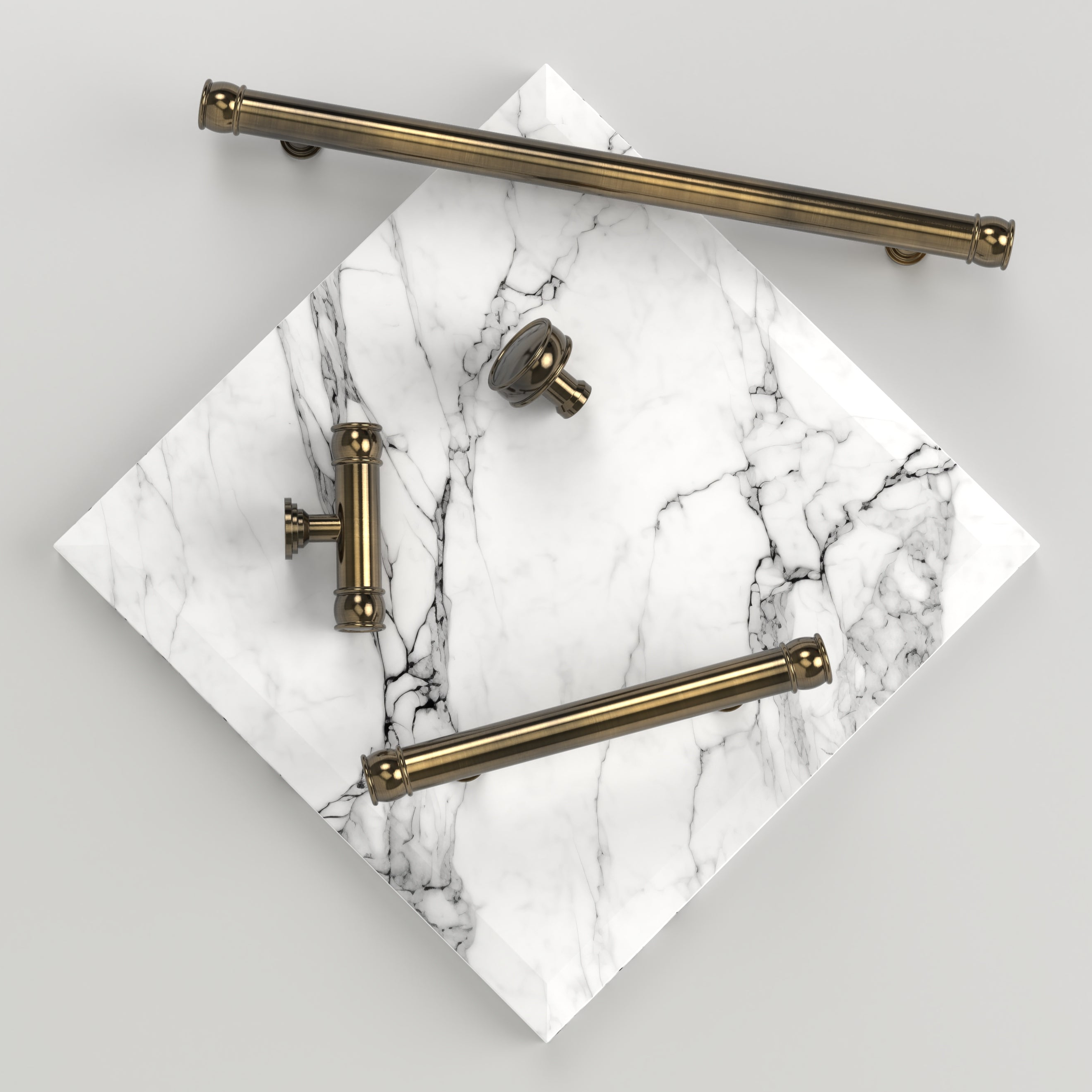
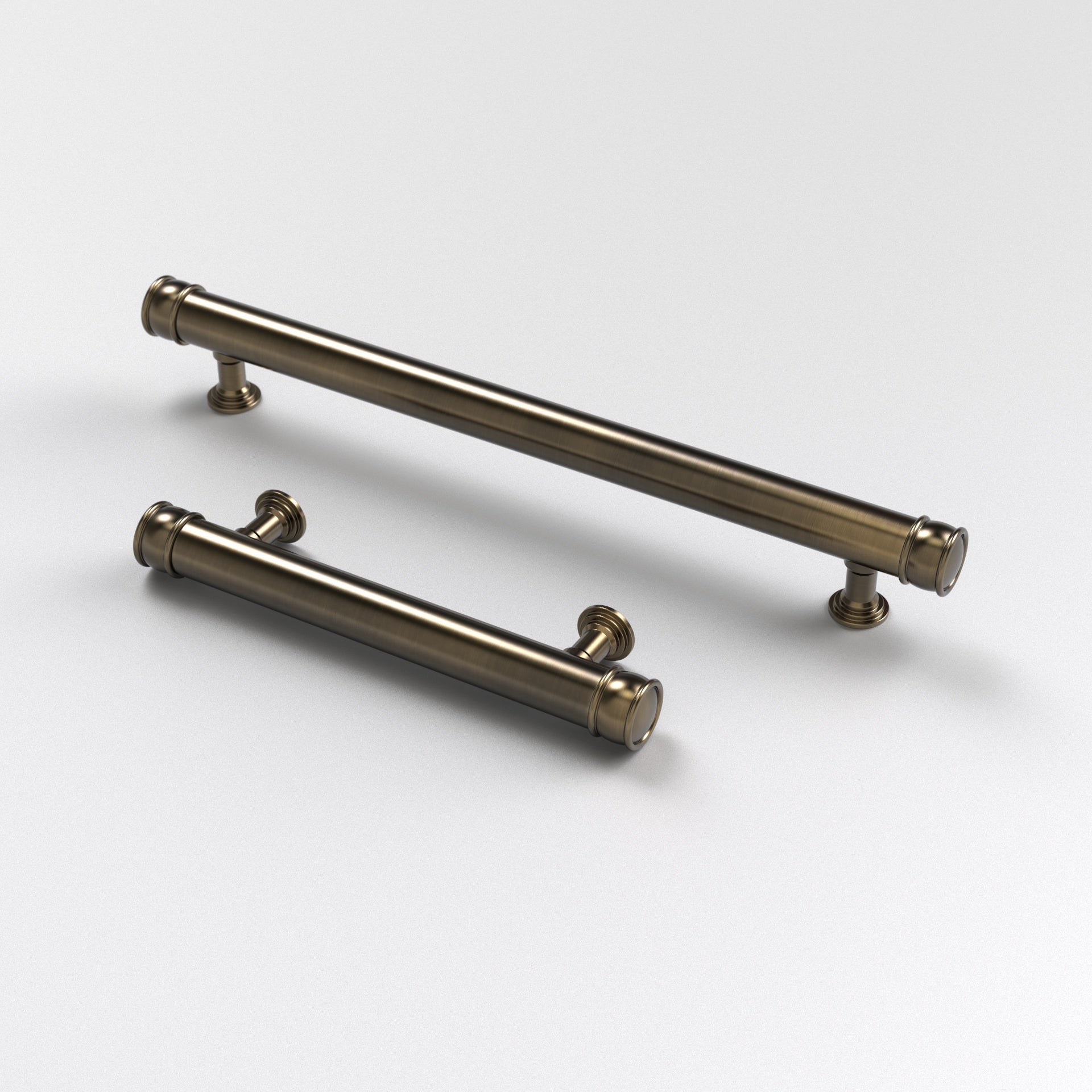
The rate and character of patination varies with the finish. Polished Brass Wax will develop a warm, golden-brown patina at contact points over years of use — exactly as antique brass hardware in period homes has done for generations. Antique Brass Wax has already been taken through an accelerated patination process and will change more slowly. Satin and Polished Nickel finishes patinate very slowly and will look relatively consistent over time. Ceramic finishes are the most resistant to change.
Understanding this means approaching hardware care in the right spirit: you are not trying to prevent brass from ageing — you are managing the process so it ages gracefully.
Day-to-Day Care: The Basics
For daily cleaning and maintenance of Daniel Oxford brass cabinet hardware, the guidance is straightforward:
- Wipe with a soft, dry or slightly damp cloth to remove fingerprints, grease and dust. A microfibre cloth is ideal. Avoid paper towels, which can be mildly abrasive.
- Dry thoroughly after wiping. Persistent moisture is the enemy of any metal finish. Always dry hardware after cleaning, particularly in the kitchen environment where steam and condensation are common.
- Avoid household cleaning sprays directly on the hardware. Many kitchen cleaning products contain acids, bleach or strong alkalis that will strip the wax finish from brass and accelerate tarnishing. If cleaning products land on the hardware during routine kitchen cleaning, wipe them off and dry immediately.
Removing Fingerprints and Light Marks
Fingerprints and light grease marks are best removed with a small amount of warm water on a soft cloth. A tiny amount of mild washing-up liquid can be used for more stubborn grease, but rinse thoroughly and dry completely afterwards.
For waxed brass finishes (Polished Brass Wax, Satin Brass Wax, Antique Brass Wax, Dark Bronze Wax), occasional application of a good quality brass wax — such as Renaissance Wax — will refresh the protective coating and restore the lustre. Apply a small amount with a soft cloth, allow to haze, then buff off. This is generally necessary once a year at most for hardware in normal kitchen use.
Dealing with Tarnish
If waxed brass hardware develops a heavier tarnish than you would like — typically in areas of high humidity or where the wax coating has worn away through years of use — it can be restored with a brass polish such as Brasso or a specialist metal polish, followed by a fresh coat of wax.
Apply the polish sparingly with a soft cloth, work in small circular motions, then buff clean. The brass will return to a bright, warm finish. Re-wax immediately to protect the newly polished surface.
For Nickel and Chrome finishes, avoid brass-specific polishes. Use a dedicated nickel or chrome polish, following the product instructions.
What to Avoid
The following will damage solid brass hardware and should always be avoided:
- Abrasive cleaning pads or steel wool — these will scratch the surface, particularly on polished finishes.
- Acidic cleaners (vinegar, lemon juice, descaling products) — acid attacks brass aggressively. Even diluted vinegar will strip a wax finish and pit the surface with prolonged contact.
- Bleach-based products — these will discolour brass finishes and damage wax coatings immediately.
- Dishwasher cleaning — never put brass hardware in a dishwasher. The combination of heat, humidity and aggressive detergent will damage any finish within a single cycle.
Caring for Ceramic-Coated Finishes
Daniel Oxford's ceramic-coated finishes are our most durable option and require the least maintenance. The ceramic layer is highly resistant to scratching, fingerprints and chemical attack. Day-to-day cleaning with a soft damp cloth is sufficient. Avoid abrasive cleaners, but most standard kitchen cleaning products can be safely wiped off without long-term damage.
The Patina: Embrace It
The final piece of advice: resist the temptation to over-clean brass hardware. Some of the most beautiful hardware in the world — in historic houses, Georgian townhouses, Victorian kitchens — is distinguished by its patina. The warm, slightly uneven tone that develops at contact points on a polished brass handle over years of use is not a sign of neglect; it is a sign of a house lived in and loved.
Our hardware is designed to age. If you would like more specific guidance on caring for your Daniel Oxford hardware, please contact us directly and we will be happy to advise.