How Interior Designers Specify Cabinet Hardware: A Practical Guide
Hardware Is a Detail That Reads at Scale
A common mistake in kitchen and furniture projects is treating hardware as an afterthought — something chosen quickly at the end to finish off a specification. Experienced interior designers know that hardware, repeated across 30, 40, or 50 cabinet doors, becomes one of the most visually dominant elements in the finished room. The profile, the finish, the size — each choice is amplified by repetition.
Start With Material
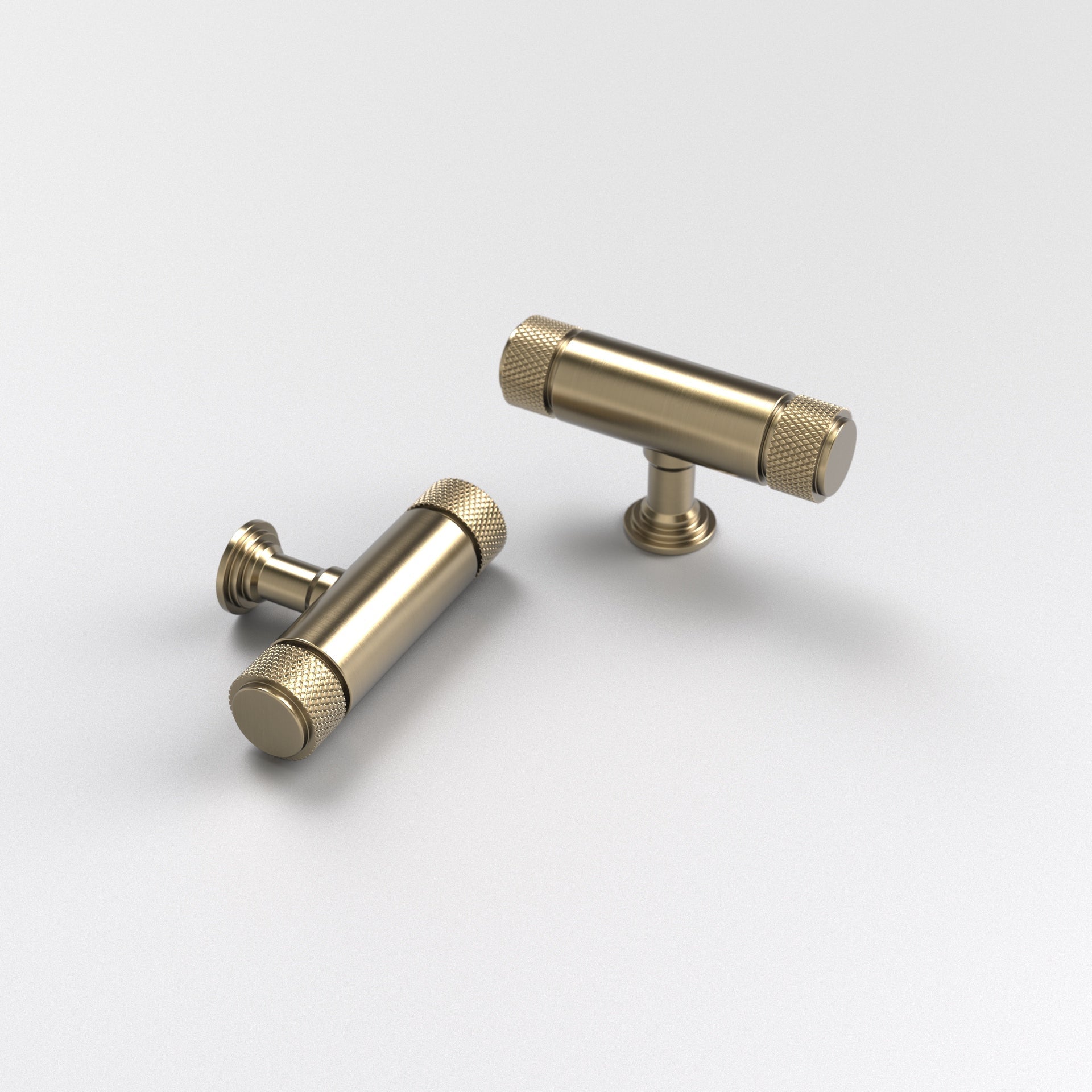
Before finish, before profile, before price — start with material. The hardware in a quality kitchen or piece of bespoke furniture should be solid brass, solid bronze, or solid stainless steel. Anything die-cast, zinc-based, or plated will look right initially and fail within years under the stress of daily use. The weight and feel of solid brass — the way it sits in the hand, the sound it makes — is immediately apparent and impossible to replicate with hollow alternatives. At Daniel Oxford, all hardware is precision-machined from solid brass billet. No hollow interiors, no plated surfaces.
Choose Finish to Suit the Light
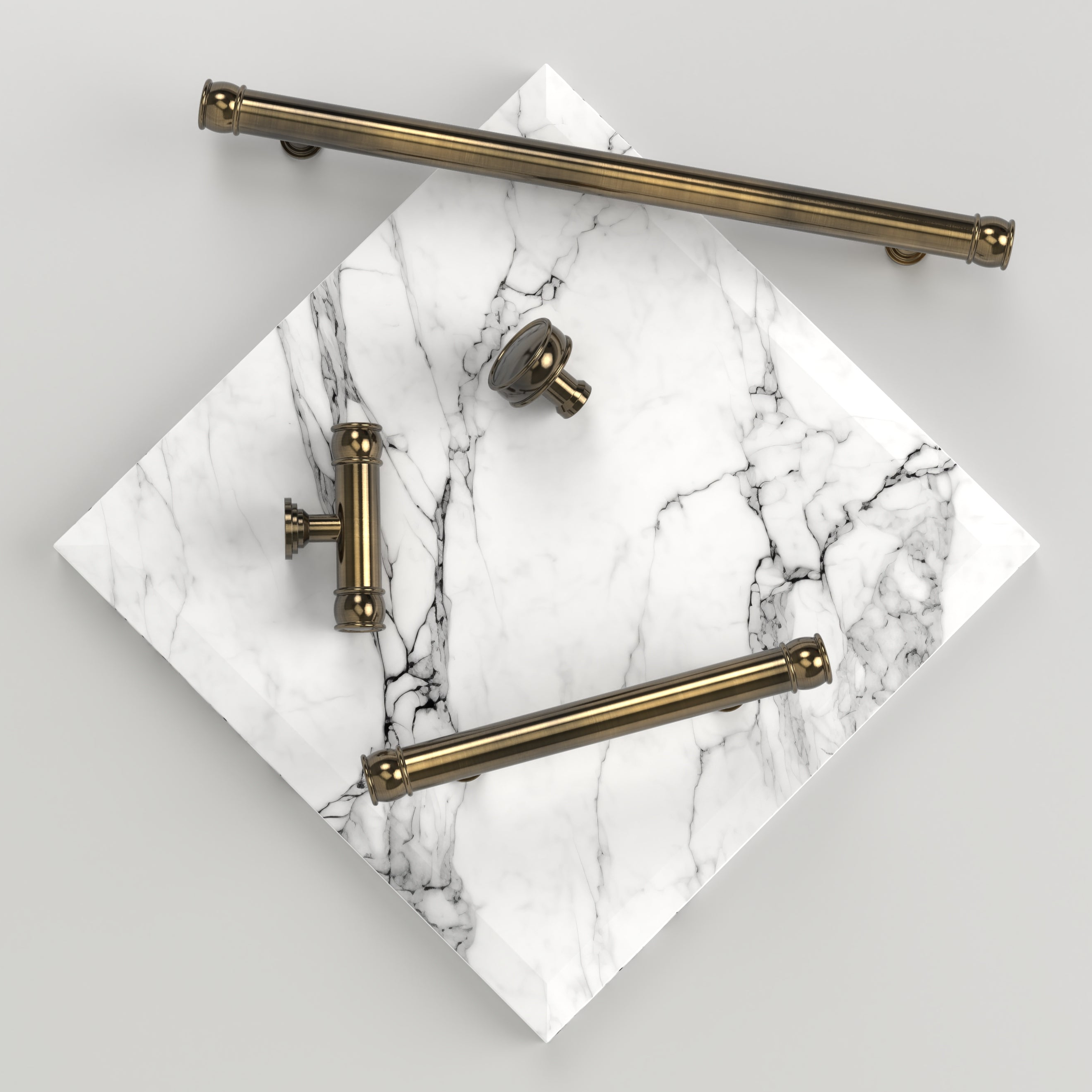
The same finish reads differently depending on whether a kitchen faces north or south, whether it has warm or cool artificial lighting, and whether the surfaces around it are stone, timber, or painted. Designers who skip sampling and select finishes from images alone frequently find the finished installation looks different to what they expected. The professional approach: order physical samples in two or three finishes under consideration. Place them in the actual kitchen environment, at the time of day the room is most used. Only then commit. All Daniel Oxford pieces are available as samples — contact us to arrange a set for your project.
Consider Scale Relative to the Door
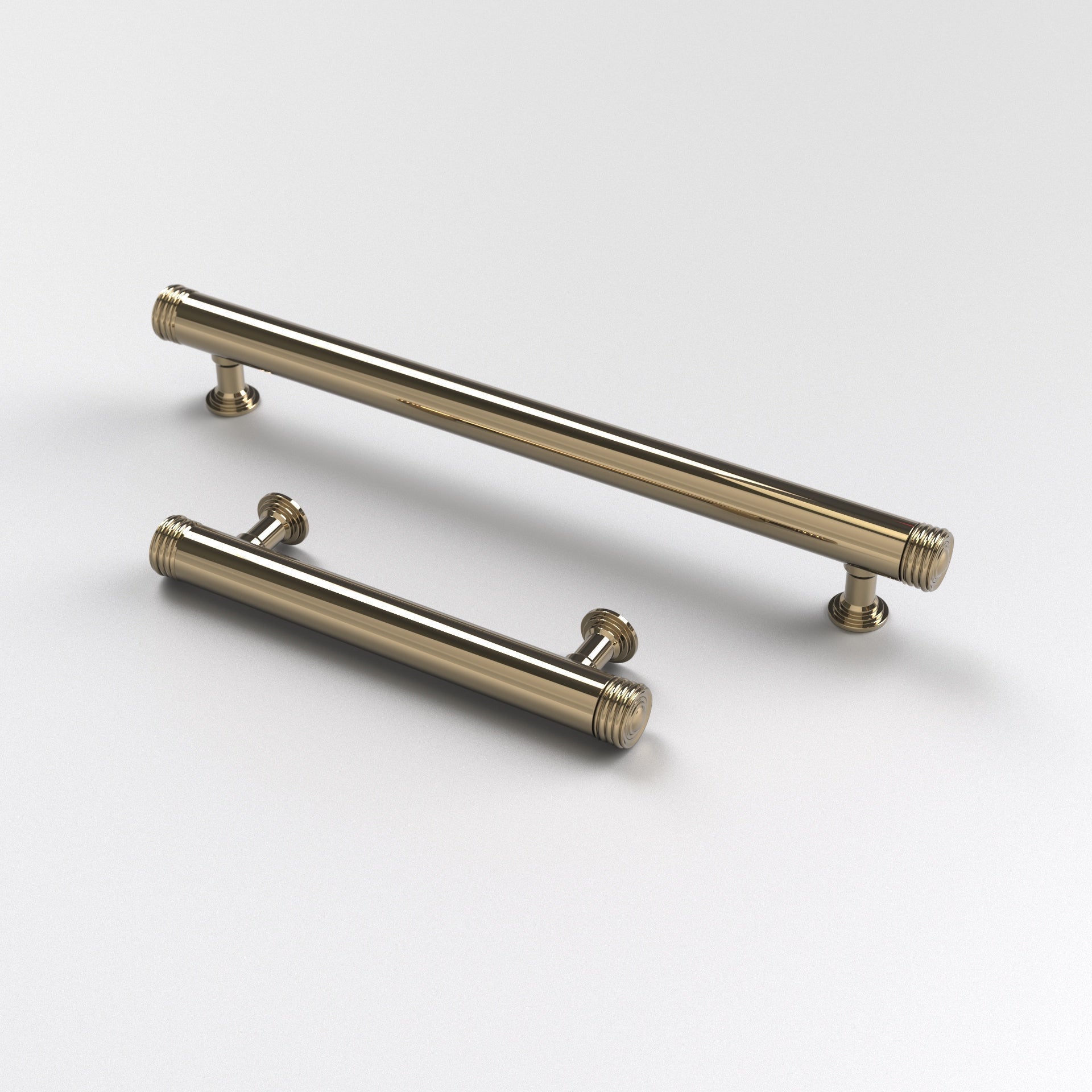
A handle that looks well-proportioned in isolation can look dwarfed on a large in-frame shaker door, or overwhelmingly heavy on a slender handleless pocket door. As a rough guide: standard cabinet pull handles (100–128mm bore) suit most drawer and cabinet door applications. For wider larder units and tall cabinets, a 160mm bore or our appliance pull range provides the visual weight the larger door demands. For handleless lower cabinets, our edge pulls and flush pulls are specified to match the project dimension, with custom sizing available on request.
Coordinate Across the Whole Room
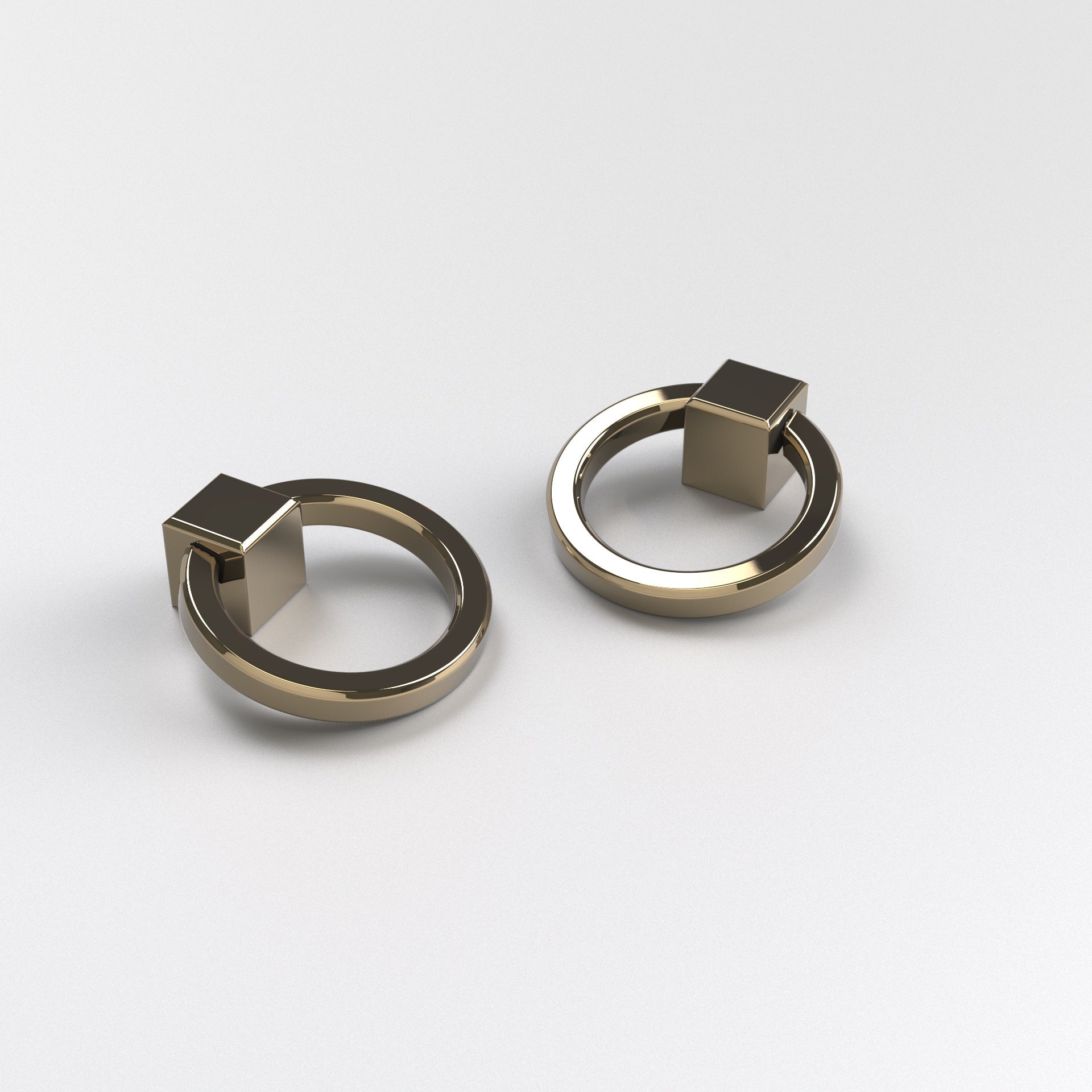
The most considered hardware specifications keep to a single finish across all cabinetry in the room — and extend that finish to adjacent rooms where possible. This is why our hardware is designed as complete suites. Each Daniel Oxford suite — Radlett, Esher, Lapworth, and others — includes cabinet pulls, knobs, T-bars, appliance pulls, robe hooks, and flush pulls in a coordinated design language. Specifying within a single suite makes room-to-room coherence effortless.
Working With a Made-to-Order Manufacturer
Made-to-order hardware requires earlier decision-making than off-the-shelf alternatives. With a standard lead time of four weeks, Daniel Oxford hardware should be ordered before installation begins — typically at the point when cabinetry is being manufactured. We work directly with interior designers and kitchen studios on project quantities. Contact us to discuss your specification, arrange samples, and confirm scheduling for your project. Browse the full Daniel Oxford collection.